
 Slovenia
Goriška Relocation Guide: Moving & Living in Western Slovenia
Goriška Relocation Guide: Moving & Living in Western Slovenia
Goriška relocation guide: an overview of Western Slovenia
Quick Answer: This guide gives a practical orientation to living and buying property in Goriška, focusing on what expats and investors need to know about the region, local services and where to verify up-to-date data.
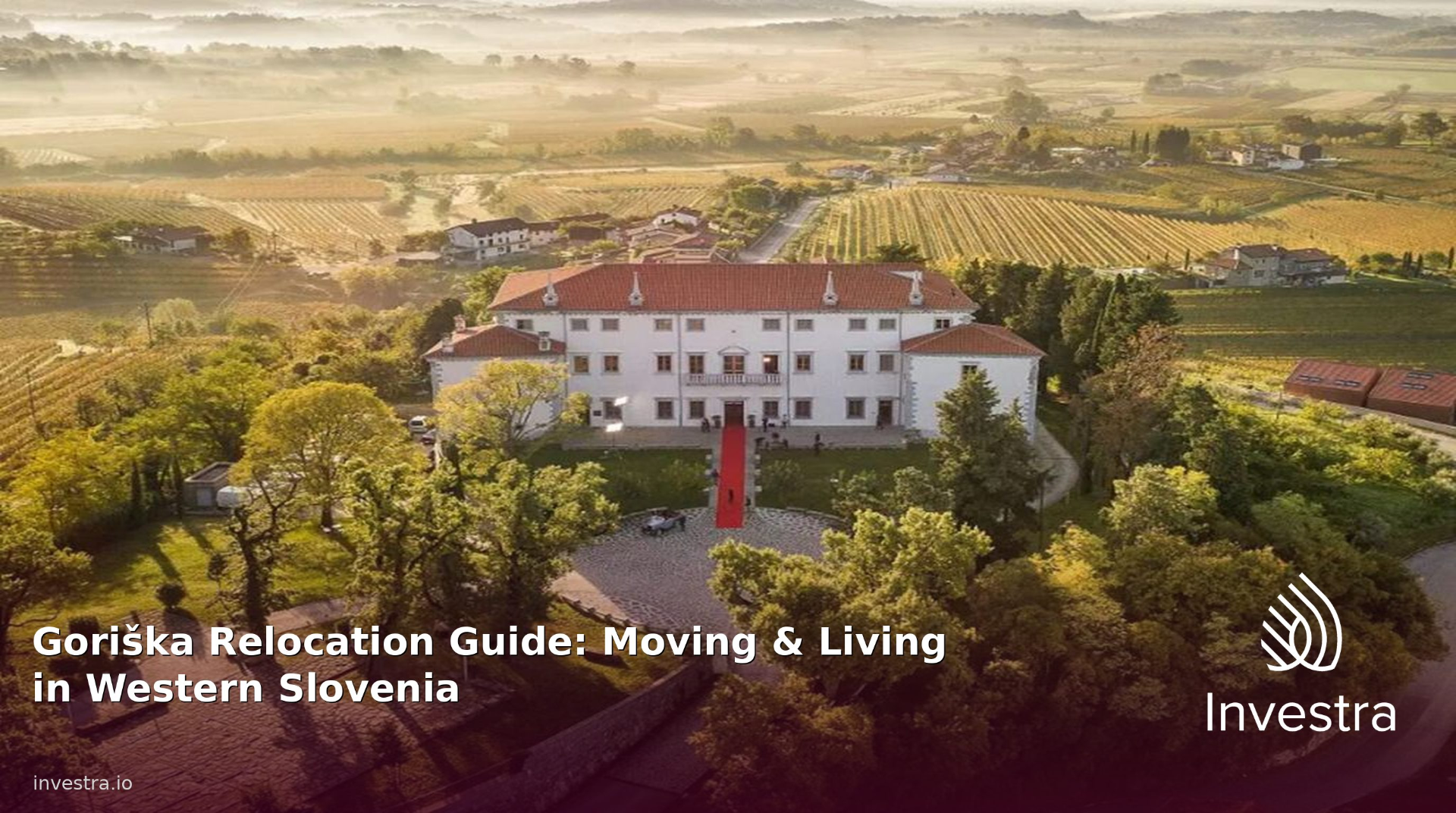
Goriška sits along Slovenia's western fringe, where the landscape shifts from gentle coastal hills to the dramatic edges of the Julian Alps. For readers searching for a goriska relocation guide, this region is often chosen for its compact towns, cross-border ties with Italy, and a lifestyle that blends Mediterranean and Alpine influences. In my experience, newcomers are surprised by how quickly everyday logistics—healthcare appointments, banking, municipal paperwork—fall into place when you know the right local contacts and sources.
If you want to compare how Goriška stacks up against other Slovenian markets, you’ll find helpful context in city guides we’ve published on larger centers: the Ljubljana real estate market guide, the Maribor real estate market guide and coastal coverage like the Koper real estate market guide. For tailored relocation planning, professionals such as Findes Group & Partners can connect you with legal and tax advisors; their advisory team is reachable via Findes Group & Partners advisory team.
Before you sign anything, know where to check facts: municipal registries, the Slovenian land cadastre, local notaries and official government portals are primary sources. For practical investor viewpoints and personalised assistance, I recommend reviewing commentary from local consultants like Siniša Dagary and his pieces in Siniša Dagary investment insights.
Why move to Goriška: lifestyle, work and cross-border advantages
Quick Answer: Goriška offers a mixed lifestyle—urban conveniences in towns like Nova Gorica, easy access to Italy, and outdoor recreation—making it attractive to families, retirees and remote workers.
Goriška isn’t a single city but a collection of municipalities and communities with distinct personalities. Nova Gorica, the administrative heart, feels purposeful and modern. Small villages and hilltop hamlets offer slower paces and scenery. What surprised many buyers is how much the region benefits from Italy’s proximity: cross-border shopping, bilingual services and occasional work commutes into Gorizia (Gorizia/Nova Gorica forms a transnational urban area).
Quality-of-life factors matter more than a few percentage points on a spreadsheet. Schools with multilingual options, local health clinics, and a strong tradition of community events all make daily life easier. Remote workers will value reliable internet in towns; however, rural properties can vary. The reality is that while Goriška offers calm and access, the experience depends on exact location and your household needs—so visit, talk to locals, and arrange stays in different municipalities before committing.
To understand how Goriška compares with Ljubljana or Koper for lifestyle and services, read our city guides like the Ljubljana rental market guide and the Koper real estate market guide—they provide context that helps when deciding which Slovenian region fits your life plans.
What should buyers know about goriska relocation guide?
Quick Answer: Buyers should know that this guide highlights local market structure, legal steps, and practical checks—buyers must verify current numbers through municipal offices, notaries, and official registries.
So, what should buyers know about a goriska relocation guide? First, the buyer’s checklist begins with reliable data sources. Whenever you need current prices, transaction volumes, tax rules, or rental regulations, verify them at the source: municipal property registries, the Slovene Land Cadastre (ZK), a licensed notary and local tax authorities. I always tell clients: treat any published figure as directional until you see the official documents or a recent comparable sale.
Another practical point is the patchwork nature of local services. Some Goriška municipalities offer streamlined online services; others require in-person visits. If language is a concern, consult bilingual agents or lawyers—many areas near the Italian border have professionals fluent in Italian and English. For market comparisons, we often refer readers to broader city reports like the Maribor real estate market guide or the Bled real estate market guide.
Finally: inspections, due diligence and local connections are where many deals stand or fall. Ask for recent utility bills, check cadastral boundaries, confirm building permits, and speak with neighbours if possible. For personal advisory, experts like Siniša Dagary profile and advisory services at advisory services can help verify the local picture before you commit.
Buying property as a foreigner in Goriška
Quick Answer: Foreign buyers can purchase in Goriška but must confirm eligibility and any permit requirements with local authorities and a Slovenian notary or lawyer.
Many expatriates ask whether they can buy in Goriška and what hurdles exist. The rules depend on nationality, residency status and property type. The practical approach I recommend is simple: before you start bidding, check with a qualified notary or lawyer about your specific status and the need for a foreign purchase permit. Municipal offices will also confirm whether any local restrictions apply to agricultural land or certain protected properties.
If buying through a corporate vehicle, or if you plan to purchase as part of a residency or business strategy, get specialized legal and tax advice. There are reputable local advisory teams, for example the Findes Group & Partners, who work with expats to coordinate cross-border tax considerations. For purchasing practice in urban centres that often set expectations for process and documentation, review our Ljubljana and Maribor buyer guides like Buying property in Ljubljana and Buying property in Maribor.
We’ve seen buyers save time by assembling a local team early: a real estate agent familiar with Goriška, a bilingual lawyer or notary, and an accountant who knows Slovenian tax law. If you want an initial consultation on options, you can contact local consultants like investment consultation for tailored planning.
Step-by-step buying process in Goriška
Quick Answer: The typical process includes property search, due diligence, negotiation, signing a reservation or preliminary contract, notary transfer, and registration—each step requires specific documents and checks.
Buying in Goriška follows the familiar sequence used in Slovenia, but local detail matters. Start with a focused property search—visit multiple properties and compare neighbourhoods at different times of day. Once you find a target, commission due diligence: a cadastral search through the land registry, building permit verification at the relevant municipality, and a site visit for structural or environmental issues. I always ask sellers for the last utility bills and any documentation of renovations.
Negotiation typically results in a purchase agreement or a preliminary contract with deposit terms. A licensed notary finalizes the transfer and prepares the official deed; the transfer must be registered in the land cadastre to change ownership. You’ll also need identity documents, tax number (EMŠO or TIN equivalents for foreigners), and confirmation of funds for the purchase and any fees.
To understand paperwork expectations and timelines, compare guides for urban markets—our Ljubljana new-build guide and Maribor new-build guide spell out common documents. Local notaries and municipal clerk offices will list exactly what you must present in Goriška; that’s the source you should rely on for current procedural detail.
Taxes, fees and ongoing costs buyers must verify
Quick Answer: There are purchase-related taxes, notary fees and ongoing local charges—verify current rates and rules with the tax authority, a notary and a local accountant rather than relying on published estimates.
Taxes and fees are critical but often misunderstood. Instead of presenting assumptions, I always instruct buyers: determine the current purchase taxation and recurring property charges by contacting the Slovenian Financial Administration (FURS), a local certified tax advisor, or the notary who will handle the transaction. Municipalities may levy local charges and service fees, and these can vary by location within Goriška.
Ongoing costs such as utilities, communal charges in apartment buildings, insurance and maintenance should be confirmed through documentation from the seller and by asking neighbours what typical bills look like. If you're thinking of renting the property, check local short-term letting rules at municipal level and verify with a local property manager. For a regional comparison of taxation and cost structures, our readers turn to guides like Bled rental market guide and the Maribor rental market guide to see how local rules differ.
To verify specific numbers: request an official cost estimate from the notary who will register the deed, ask a certified accountant about tax liabilities, and consult the FURS website for the latest regulations. For assistance tying these threads together, advisory services such as advisory services or the Findes Group & Partners advisory team are useful starting points.
Property types and neighbourhoods across Goriška
Quick Answer: Goriška offers a spectrum—from Nova Gorica apartments to rural houses and hillside retreats—so choose according to lifestyle priorities, commute needs and local service access.
Goriška's housing stock is varied. Towns like Nova Gorica provide apartment living close to shops, schools and hospitals. Moving outwards, you'll find rural stone houses, vineyard properties and newer developments on the hills that overlook the Soča Valley. What buyers need to ask themselves is simple: do I want proximity to cross-border services, easy public transport, or tranquil countryside? Each choice carries trade-offs on maintenance, utility access and community life.
When scouting neighbourhoods, we advise spending time in each area at different times of the day and week. Visit local cafés, check transit links, and talk to school administrators if you have children. For buyers who compare other Slovenian markets, the neighbourhood breakdowns in our Ljubljana neighbourhood guide, Maribor neighbourhood guide and Bled neighbourhood guide clarify what to look for when selecting an area based on services and investment potential.
Another realistic consideration is utility and infrastructure quality. Older rural properties may need upgrades—septic systems, roof work or improved access roads—so always budget time for inspections. If you're considering new builds or major renovations, see our Bled new-build guide and the Maribor new-build guide for practical checklists that apply across regions.
Rentals and managing investment properties in Goriška
Quick Answer: The rental market in Goriška varies by town and season—verify current rental demand and rules with local letting agents, municipal regulations and short-term rental platforms.
Thinking of buying in Goriška to rent out? Good question. The rental market mixes long-term family tenancies in towns and seasonal demand near tourist corridors like the Soča Valley or wine-country routes. The first step is research: speak to local letting agents and property managers to understand vacancy cycles and tenant expectations. I always suggest asking for recent tenancy agreements, turnover data, and a breakdown of typical maintenance costs.
If you plan short-term lets, check municipality-level rules: some towns have registration requirements, limits or additional taxes. Also, look at platform occupancy trends to gauge seasonality. For guidance on rental strategies elsewhere in Slovenia that you can adapt to Goriška, our readers often consult the Ljubljana rental market guide and the Bled rental market guide.
Operational tips: hire a local property manager if you’re not living nearby; get written maintenance protocols; and keep emergency contractor contacts. To handle tax obligations, consult a local accountant before you start renting—tax treatment of rental income and allowable expenses can change, so verify current rules with a certified advisor or the Slovenian tax office.
Financing and mortgages available in Goriška
Quick Answer: Local and international banks offer mortgage products for Slovenia; get up-to-date lending terms, eligibility criteria and documentation requirements by meeting lenders directly or consulting a mortgage broker.
Many buyers ask whether they can finance a purchase in Goriška through Slovenian banks. In practice, both local retail banks and international lenders sometimes offer mortgages to residents and non-residents, but the exact terms, loan-to-value ratios and documentation needed change often. My practical advice: start conversations early with a few banks and an independent mortgage broker so you understand the supporting documents and timelines.
Be prepared to show proof of income, tax returns, bank statements and identification. If you’re buying as a foreign national, the bank may require additional documentation or insist on a larger down payment. For up-to-the-minute lending rules and comparison of products, meet lenders in person, request pre-approval letters, and ask a recommended local advisor to explain any cross-border implications.
For those familiar with the capital city process, our Buying property in Ljubljana guide explains typical mortgage workflows that are relevant in provincial towns, too. If you’d like structured advisory, firms and consultants such as Siniša Dagary can help introduce you to lenders and clarify documentation requirements.
Legal ownership, due diligence and title transfer in Goriška
Quick Answer: Conduct a formal due diligence package—land registry checks, encumbrance searches, zoning and permit reviews—and use a notary to finalize and register the transfer.
Legal clarity protects value. Before finalising any transaction in Goriška, commission a full due diligence package. That includes a land registry (cadastre) extract showing current ownership and encumbrances, confirmation of permitted use and building permits, and checks for any outstanding municipal obligations. I often recommend hiring a local lawyer who can interpret Slovenian documents and explain any restrictions tied to the property.
The official transfer process involves a notary who prepares the deed, confirms identity and verifies the background checks. Registration in the land cadastre is essential to make your ownership enforceable against third parties. Don’t rely on verbal assurances; insist on copies of permits and cadastral extracts. For contracting norms and sample documents, review guides like Buying property in Maribor and the Buying property in Bled guide to understand typical clauses and protections.
If an issue arises post-sale—disputed boundaries, undisclosed liens—consult your lawyer and the notary. And for extra peace of mind, property insurance and a professional survey before exchange are prudent steps. For introductions to legal specialists, consider teams recommended by advisors like investment consultation or the Findes Group & Partners.
Renovations, new builds and practical living advice
Quick Answer: Renovations and new builds require municipal permits and local contractor knowledge; combine planning with a realistic schedule and written contracts to manage expectations.
Whether you buy a charming stone house or a newer apartment, renovation and building rules matter. Goriška municipalities manage building permits and inspections; before altering structures, request a verified planning status and earlier renovation records. We’ve seen buyers underestimate how municipal approval timelines can affect costs and schedules. A strong local architect and contractor are invaluable, especially when dealing with heritage or environmental constraints common in scenic parts of Goriška.
For technical checklists and renovation examples, our regional new-build and renovation guides such as the Ljubljana new-build guide, Maribor new-build guide and Bled new-build guide are useful references that apply across Slovenia. For specialist assistance in planning and permits, consider reaching out to consultants like advisory services.
Investment Disclaimer
Quick Answer: This section clarifies that the article is informational only and not financial or legal advice; verify details with qualified advisors before investing.
The information provided in this article is for educational and informational purposes only and should not be construed as financial, legal, or investment advice. Real estate investments carry inherent risks, and past performance does not guarantee future results. Investors should not invest money they cannot afford to lose. Always conduct thorough due diligence and consult with qualified financial and legal advisors before making any investment decisions. Investra.io does not guarantee returns on any investment.
Frequently Asked Questions
Quick Answer: This FAQ answers common relocation and buying questions about Goriška, with pointers on where to verify official and up-to-date information.
Can foreigners buy property in Goriška, Slovenia?
Yes, many foreigners buy property in Slovenia, but eligibility and procedures can vary based on nationality and residency. I recommend contacting a Slovenian notary or legal advisor to confirm whether you need a permit and to explain any restrictions for agricultural or protected land. Municipal offices will confirm local rules. For comparative guidance on buying processes in other Slovenian cities, you can review our specific guides such as Buying property in Ljubljana and Buying property in Maribor.
How do I verify current property prices and market trends in Goriška?
Don’t rely on single sources for price data. Use the Slovenian land registry and recent sales records from municipal registries, ask local estate agents for recent comparables, and consult notaries who handle sales in the area. For regional context and published analyses, see our market reports like the Bled real estate market guide and the Maribor real estate market guide. If you need bespoke market intelligence, contact advisory teams such as advisory services.
What are the typical additional costs when buying in Goriška?
Additional costs include notary fees, registration fees, potential taxes on transfers and local charges. Since these items change over time, confirm exact amounts with a notary and a certified tax advisor. Municipal offices can tell you about local charges specific to the property. For practical examples of what to request from sellers before purchase, review guides like the Ljubljana new-build guide.
How long does the buying process usually take in Goriška?
Timelines depend on search duration, due diligence complexity, permit needs and parties’ responsiveness. A straightforward transaction with all documents in order may be faster; transactions with permit issues, renovation requirements or probate matters take longer. Speak with a local notary for typical registration timelines in the specific municipality and ask estate agents for recent examples.
Are there good schooling and healthcare options in the region?
Goriška provides a mix of local schools, including some bilingual options near the border, and public healthcare centres in larger towns. For families, I suggest visiting schools and health centres personally and checking enrolment criteria with municipal education departments. If international schooling is essential, investigate commuting feasibility to neighbouring cities or private options in larger centres.
What should I check during property due diligence?
Obtain a cadastral extract showing ownership and encumbrances, check building permits, request documentation of any renovations, and review utility connections and bills. A structural survey and environmental check are often prudent. A local lawyer or notary can assemble a due diligence checklist tailored to the property type and municipal rules.
Is renting out my Goriška property straightforward?
Renting can be straightforward but depends on location and seasonality. Long-term tenancies in towns tend to be stable; tourist areas see seasonal peaks. Confirm local licensing or registration requirements for short-term lets with the municipality, and consult a tax advisor about declared rental income. Property managers can make lettings much simpler for remote owners.
Where do I get trustworthy local advisors for legal, tax and building matters?
Start with recommendations from local estate agents and the municipal website. Firms like Findes Group & Partners and consultants such as Siniša Dagary are examples of professional services that can connect you with lawyers, accountants and contractors. Always check credentials and ask for references from recent clients.
Do I need to live in Slovenia to buy property in Goriška?
Not necessarily, but residency and tax status affect financing and taxation. If you’re looking for mortgage finance, lenders will have residency-related conditions. For long-term stays or residency applications, consult immigration specialists. To plan effectively, speak with both a local bank and a tax advisor to map out implications for your home country and Slovenia.
How can I compare Goriška to other Slovenian real estate markets?
Compare municipal services, transport connections and tourism demand. Use comparative guides to see differences—our Ljubljana real estate market guide, Maribor real estate market guide and Bled real estate market guide are good starting points. On-the-ground visits and speaking with agents across regions help form a practical comparison.
Recommended Reading
Quick Answer: The following Investra and partner resources expand on city-level market guides, buying processes and renovation checklists mentioned in this article.
- Ljubljana real estate market guide
- Buying property in Ljubljana
- Ljubljana rental market guide
- Ljubljana neighbourhood guide
- Ljubljana new-build guide
- Maribor real estate market guide
- Siniša Dagary — Investment Consultant
- Business Strategy Blog
Connect With Investra
Quick Answer: Follow Investra on social media for updates and reach out via their channels for personalised support and market reports.
Follow Investra on social media to keep up with market reports, listings and webinars:
For tailored services—legal introductions, tax planning and relocation support—consider contacting advisors listed in this article, such as the Findes Group & Partners advisory team or individual consultants like investment consultation for personalised assistance.
Connect With Investra
Quick Answer: Follow Investra for verified market context and practical property research.
Related Posts
No related posts available.
